Suspendisse volutpat elit nec nisi congue tristique eu at velit urabitur pharetra exnon ullamcorper condimentum.


Exploring the psychology behind high-stakes casino gambling decisions
March 3, 2026
Have Any Question?

The Thrill of the Gamble
High-stakes casino gambling often attracts individuals seeking not just financial gain but also an adrenaline rush. The excitement of risking large sums of money can create a euphoric state that drives players to make impulsive decisions. This desire for thrill is deeply rooted in human psychology, where the fight-or-flight response can kick in during critical moments at the table or machine, leading to heightened emotions and quicker decision-making. Many gamblers nowadays also explore crypto sportsbooks as a new avenue for their betting activities, further adding to this complexity.

Research suggests that the brain’s dopamine pathways play a crucial role in the allure of gambling. When individuals engage in risky behavior, the release of dopamine can lead to feelings of pleasure and reward. This neurochemical response reinforces the desire to gamble, often leading players to repeat high-stakes behaviors even after experiencing losses, demonstrating a compelling psychological cycle between risk, reward, and addiction.
Risk Perception and Decision-Making
The perception of risk is central to understanding how gamblers make decisions at casinos. Players often overestimate their chances of winning, influenced by cognitive biases such as the illusion of control, where individuals believe they can influence outcomes in games primarily governed by chance. This misconception can lead to persistent gambling behavior and poor decision-making, ultimately resulting in financial distress for many.
Furthermore, the framing effect can impact how options are presented to gamblers, often leading them to choose riskier bets over safer alternatives. Understanding these psychological factors can help explain why players frequently chase losses, continuing to gamble in the hope of recouping previous financial setbacks, and demonstrating the complex interplay between rational thought and emotional decision-making.
The Role of Environment in Gambling Choices
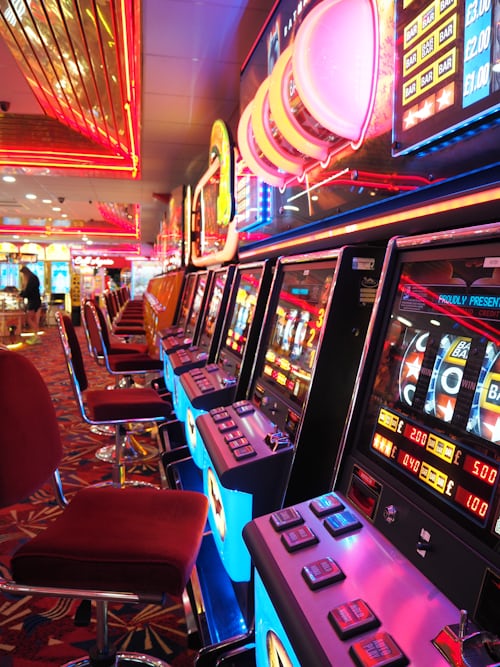
The physical and social environment of a casino can significantly influence gambling decisions. The design of gaming areas, the sounds of slot machines, and even the way dealers interact with players can all create an atmosphere that encourages high-stakes play. These environmental cues can heighten emotional responses, leading to less cautious decision-making and an increase in bets.
Moreover, social factors, such as peer pressure or the desire to impress friends, often drive individuals to make riskier bets. The presence of other players can heighten competition and create a communal atmosphere that pushes individuals to engage in larger stakes than they might consider in isolation. This synergy between environment and social dynamics contributes to the overall psychology of gambling at high stakes.
Emotional Decision-Making in Gambling
Emotions play a pivotal role in high-stakes gambling, often overshadowing logical reasoning. Gamblers may experience a range of emotions, from excitement and hope to anxiety and regret, all of which can impact their decision-making processes. The anticipation of a win can create a sense of emotional investment that clouds judgment, leading players to make decisions based more on feelings than on statistical analysis.
Compounding this emotional volatility is the phenomenon known as ‘loss aversion,’ where the fear of losing is often more powerful than the prospect of winning. This can lead gamblers to take excessive risks in attempts to avoid losses, a behavior that can escalate in high-stakes scenarios. Understanding these emotional influences is crucial in unraveling the complex psychology of gambling behavior.
About Our Website
Our website is dedicated to providing users with insights into the intricate world of gambling and its psychological nuances. We strive to enhance your understanding of high-stakes gambling decisions through well-researched content. Additionally, we prioritize user security, ensuring a safe browsing experience while you explore valuable resources related to gambling psychology.
Should you have any questions or encounter access issues, our dedicated support team is ready to assist you. We aim to offer a seamless and informative experience for those interested in the psychology behind gambling and the broader implications it entails.
example, category, and, terms